A natural stone facade is one of the most consequential material decisions in a building’s design — it shapes the look for decades and, unlike paint or render, doesn’t need refinishing every few years. But “natural stone” isn’t one product: tuff and travertine behave differently, and finishes like honed, brushed, or panel-cut cladding change a facade’s character completely. This guide compares the main material and finish options for a natural stone facade.
Short answer: the two most common materials for a natural stone facade are tuff and travertine — tuff for its light weight and thermal insulation, travertine for its density and refined appearance. The finish (honed, brushed, or panel) is then chosen to match the building’s style.
Quick Checklist for Choosing a Natural Stone Facade
- Does the material suit your climate (insulation vs. water resistance)?
- Have you weighed the stone’s density against your structural anchoring?
- Does the finish match your building’s design language?
- Have you requested a sample panel before ordering the full facade?
- Is panel cladding a better fit for your install timeline than site-cut stone?
Material Options for a Natural Stone Facade
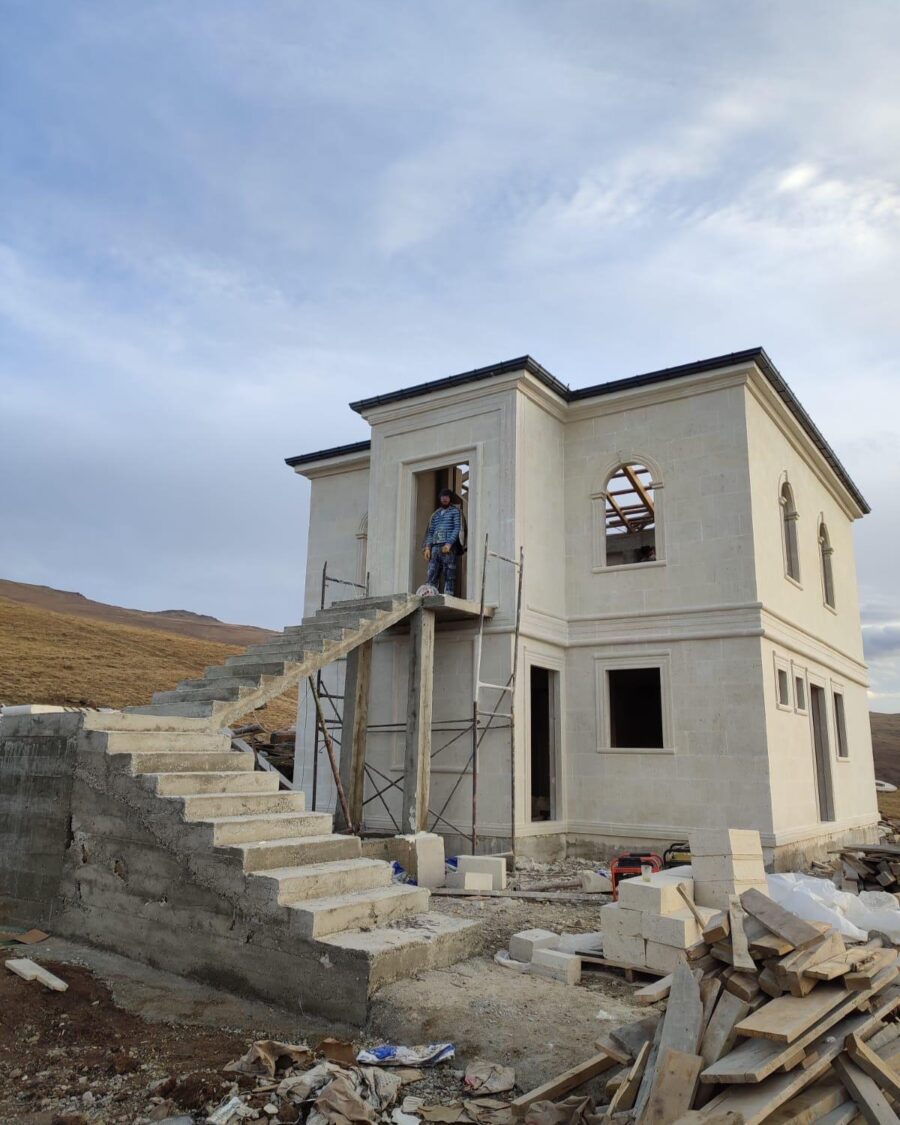
Tuff is a volcanic stone, light in weight and naturally porous. That porosity gives it strong thermal insulation and makes it easier to cut and detail — an advantage on facades with window surrounds or decorative banding. Travertine is denser, generally more water-resistant, and reads as a more polished, formal material. Which one fits your project depends on climate, budget, and the look you’re after.
How Finish Changes the Look of a Natural Stone Facade
The same stone can look like two different materials depending on how it’s finished:
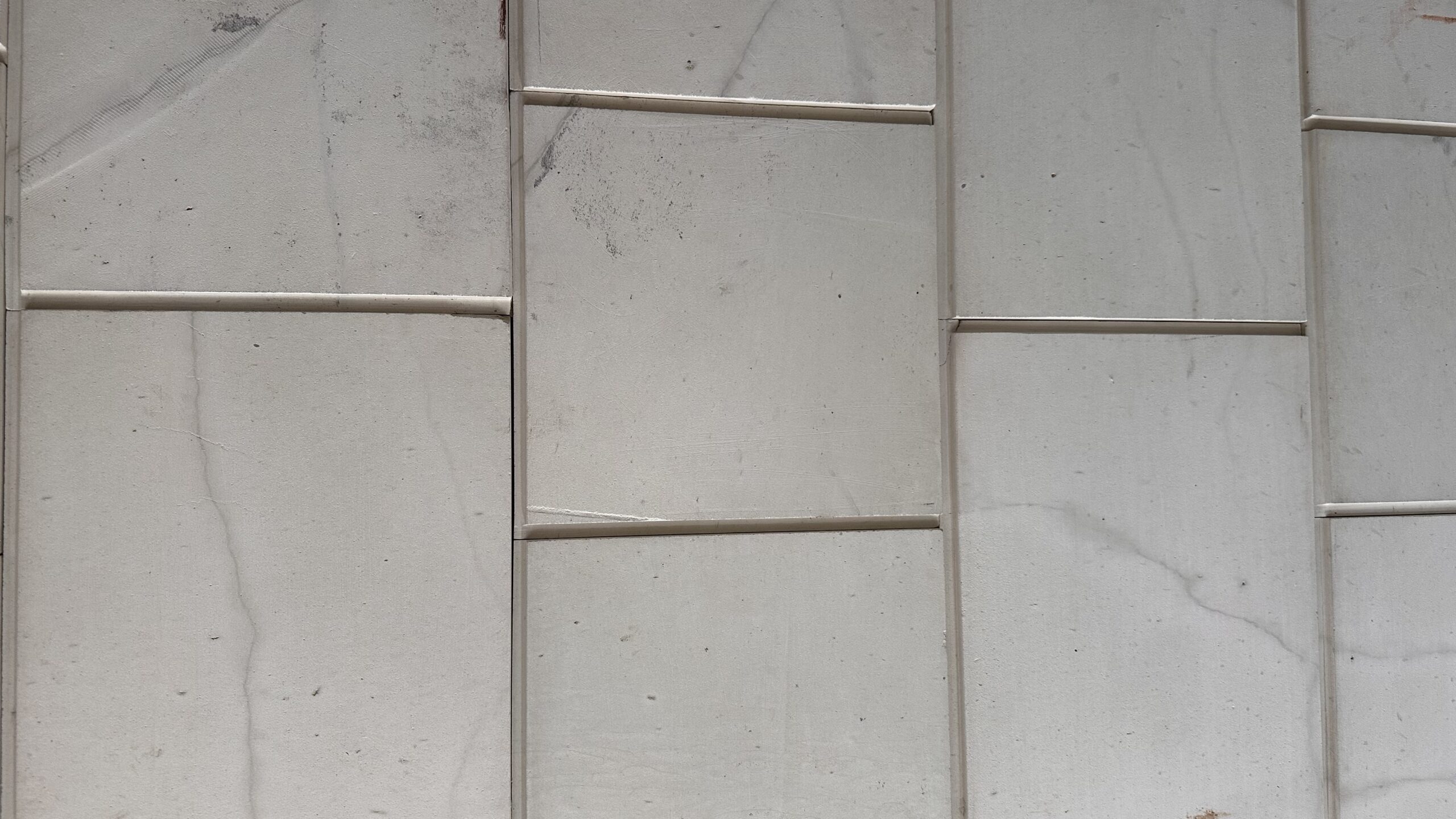
- Honed: matte, smooth, and understated — the most common choice for contemporary architecture.
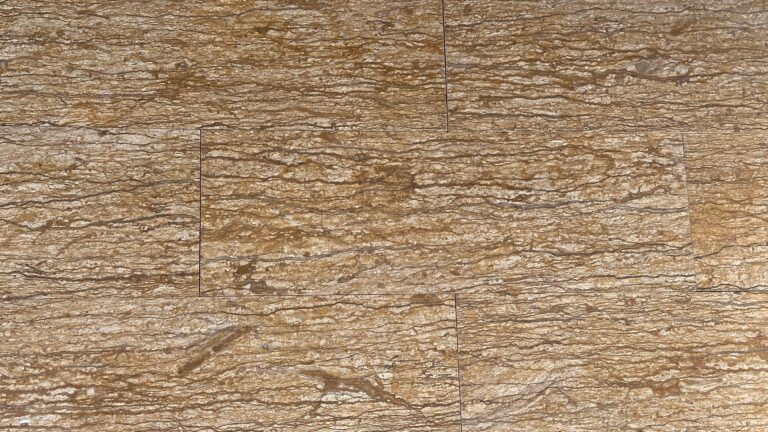
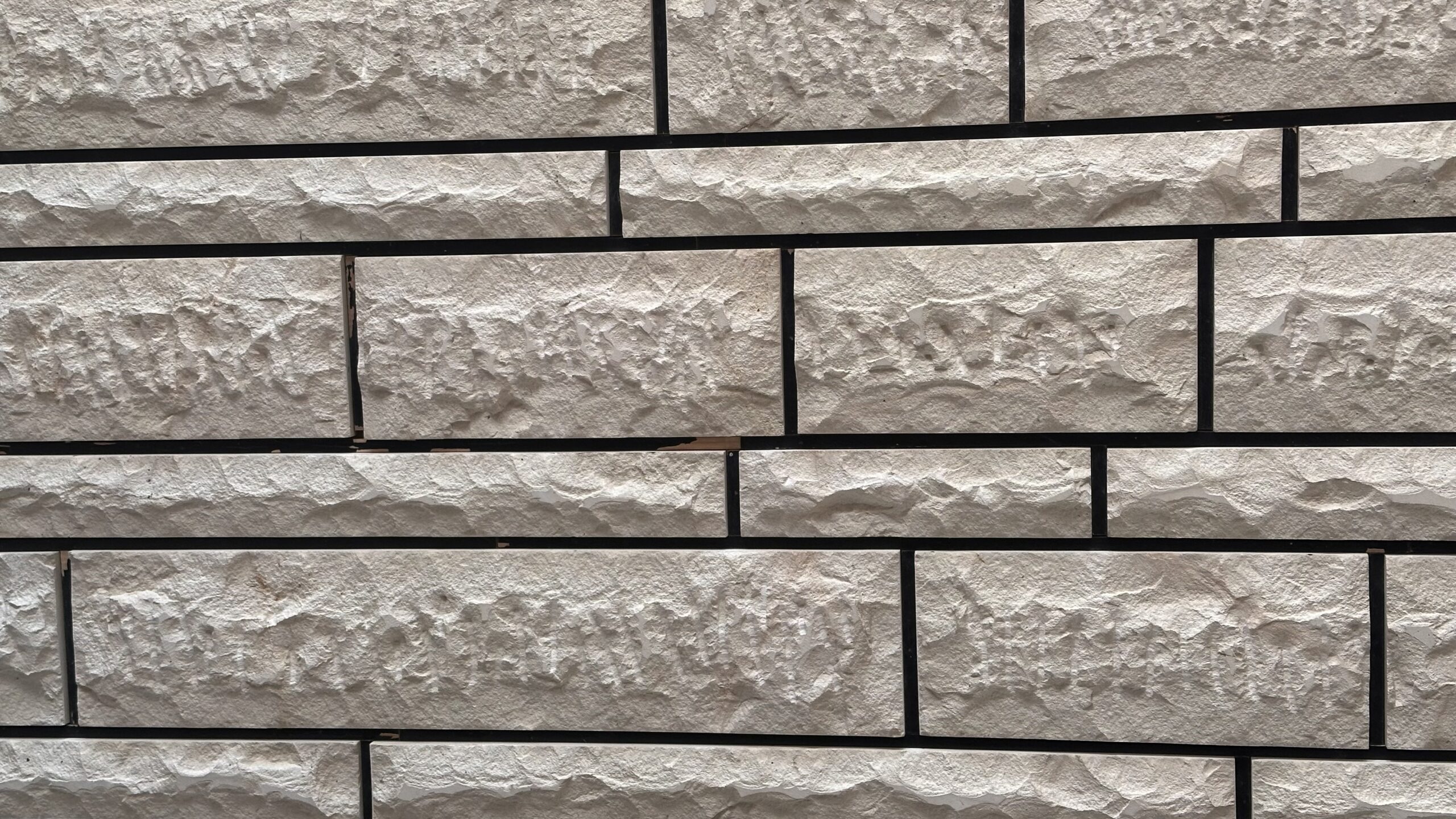
- Brushed (antiqued): a rougher, more textured surface that reads as rustic and weathered — common on vernacular and mountain-region buildings.
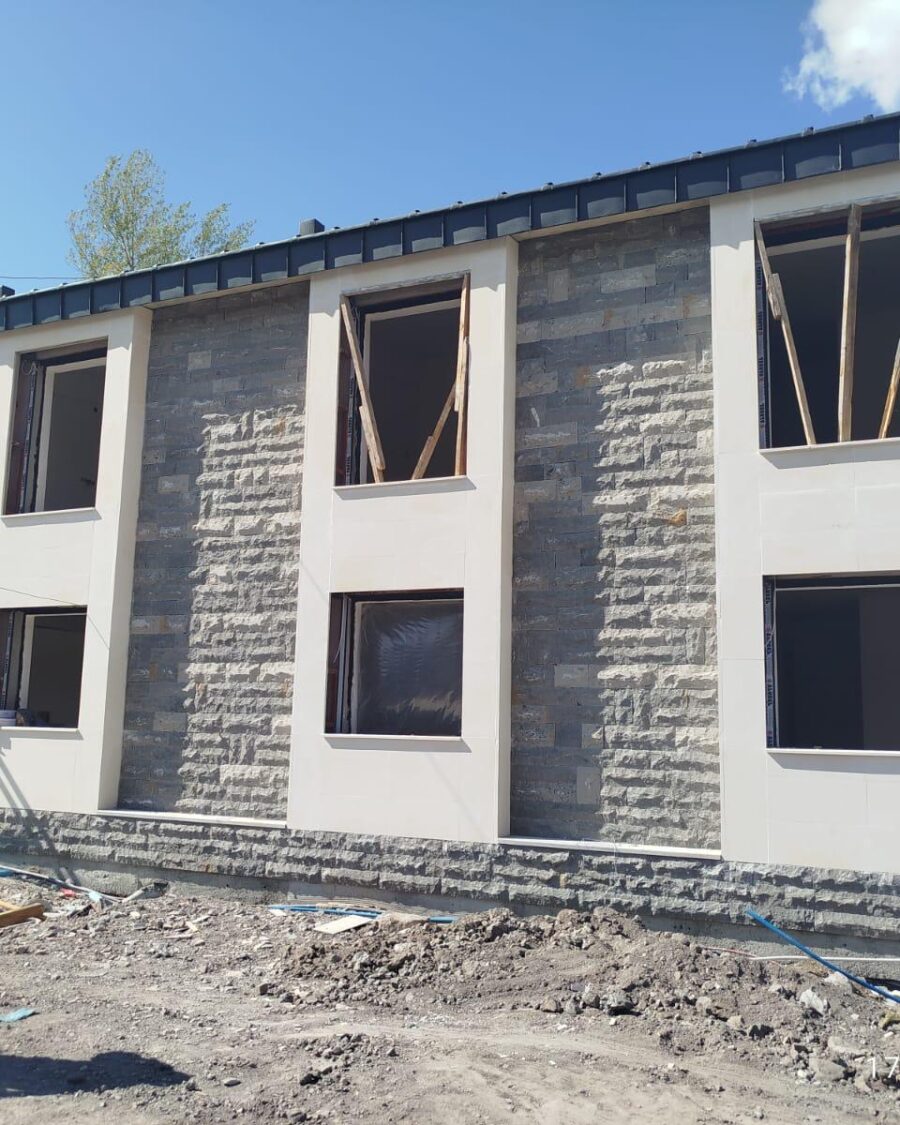
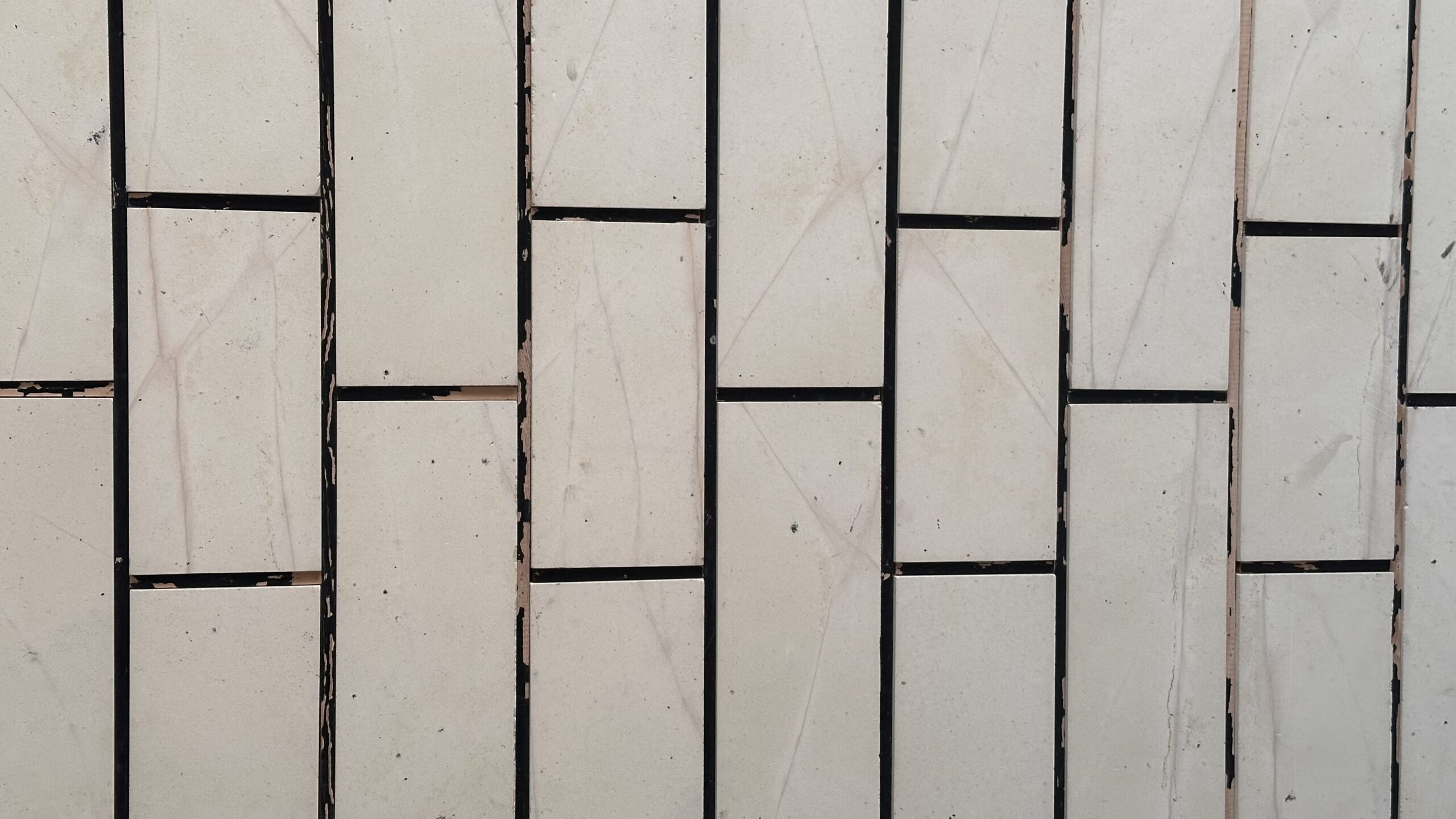
- Panel-cut cladding: stone precut to standard dimensions for faster, more consistent on-site installation.
Panel Cladding for Faster Installation
For a natural stone facade on a tight schedule, panel cladding — stone precut to uniform sizes and finished before it reaches site — cuts down on-site labor significantly, particularly on large elevations where consistent joint lines matter.
A Third Option: Bayburt Olive
As a premium supplier, we quarry Bayburt Olive to bring nature’s unique color palette directly into your architectural projects. This elegant Turkey outdoor stone features striking transitions of olive green and earthy grey tones. It is not merely an aesthetic cladding material — it serves as a formidable structural armor for the most demanding exterior environments.
As detailed in the technical specification table below, this premium biosparitic limestone boasts an exceptionally high compressive strength of 142.67 MPa. Because it features a highly dense internal structure, it provides a remarkably low water absorption rate of 0.52%. This robust natural stone facade material easily maintains its original form for decades and resists severe frost and extreme weather conditions without losing its physical integrity. Architects and contractors rely on it for luxury landscaping, heavy-duty exterior paving, and expansive commercial facades.
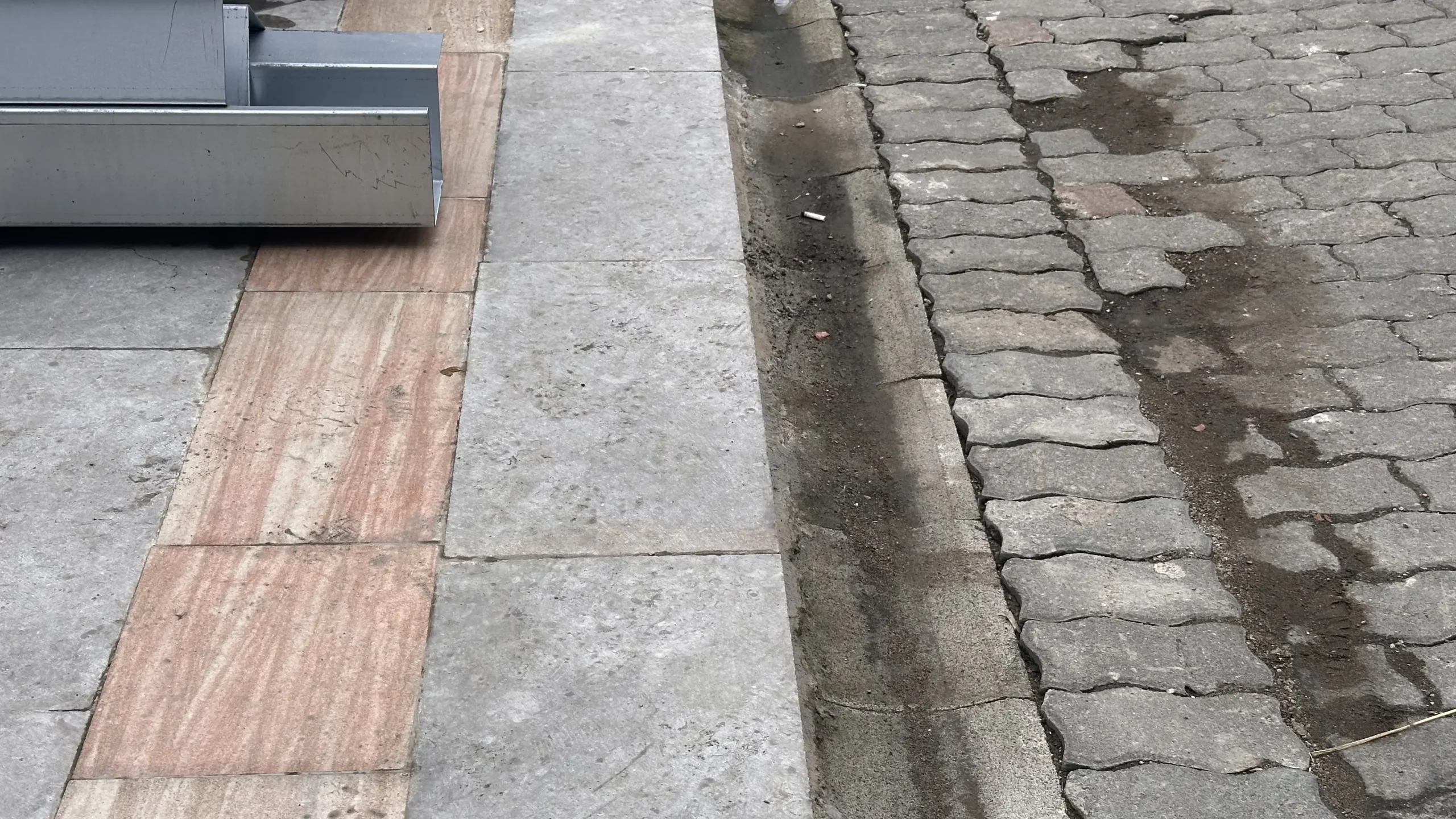
Two figures worth noting: a compressive strength of 142.67 MPa and a water absorption rate of just 0.52% — together, they explain why this stone holds up so well under frost and heavy use. The full technical datasheet (hardness, flexural strength, porosity, frost resistance) is available on our Bayburt Olive catalog page.
Why Choose a Natural Stone Facade Over Synthetic Alternatives
Unlike composite panels or render, a natural stone facade doesn’t fade or need repainting, and it develops a patina rather than visible wear. For more on tuff’s specific thermal performance credentials, see our deep dive on tuff for facade use. If you’re sourcing material internationally, our guide to importing natural stone from Turkey covers samples, Incoterms, and logistics.
Frequently Asked Questions
Is tuff or travertine better for a natural stone facade?
Tuff is better where insulation and light weight matter most; travertine is better where durability and a denser, more formal appearance are the priority.
Is honed or brushed finish more durable?
Durability is similar between the two; the choice is mostly aesthetic, though brushed surfaces offer slightly better slip resistance.
What makes Bayburt Olive structurally superior to standard materials?
It boasts a massive compressive strength of 142.67 MPa, and its incredibly low water absorption rate of 0.52% ensures outstanding frost resistance in harsh climates — making it the most durable of the three materials covered here.
Summary
| Option | Best For |
|---|---|
| Tuff | Light weight, thermal insulation, easy detailing |
| Travertine | Durability, refined appearance |
| Bayburt Olive | Very high compressive strength, low water absorption, frost resistance |
| Honed finish | Matte, contemporary look |
| Brushed finish | Textured, traditional look |
| Panel cladding | Faster, more consistent installation |