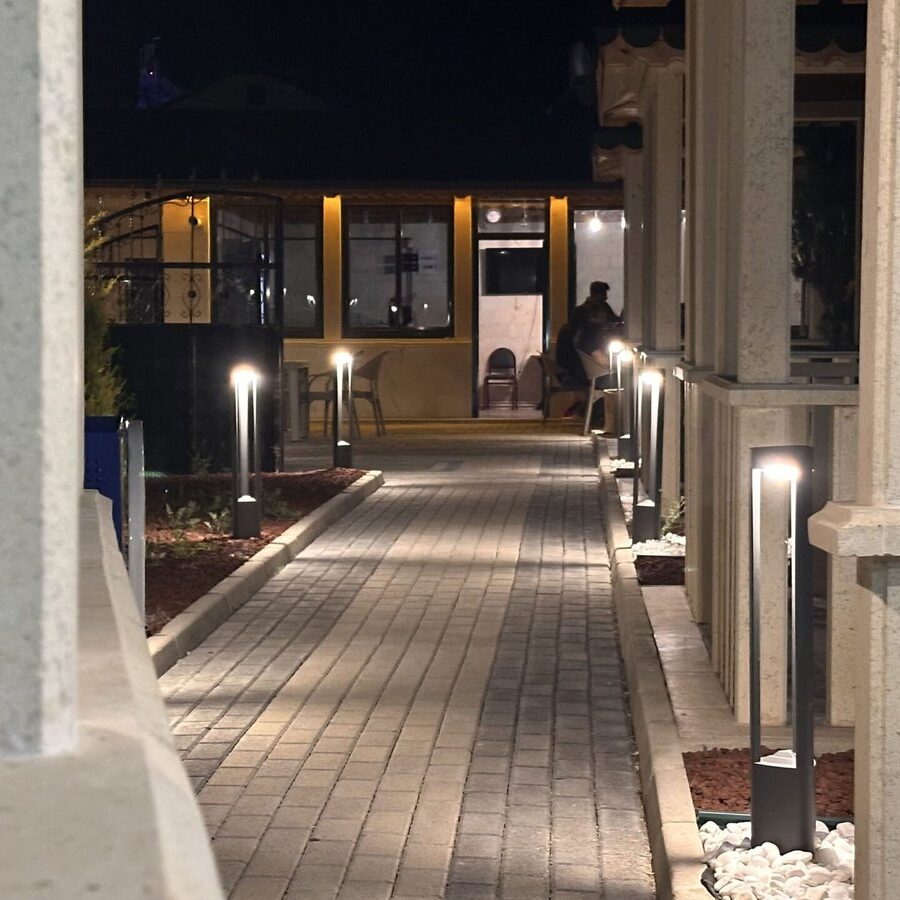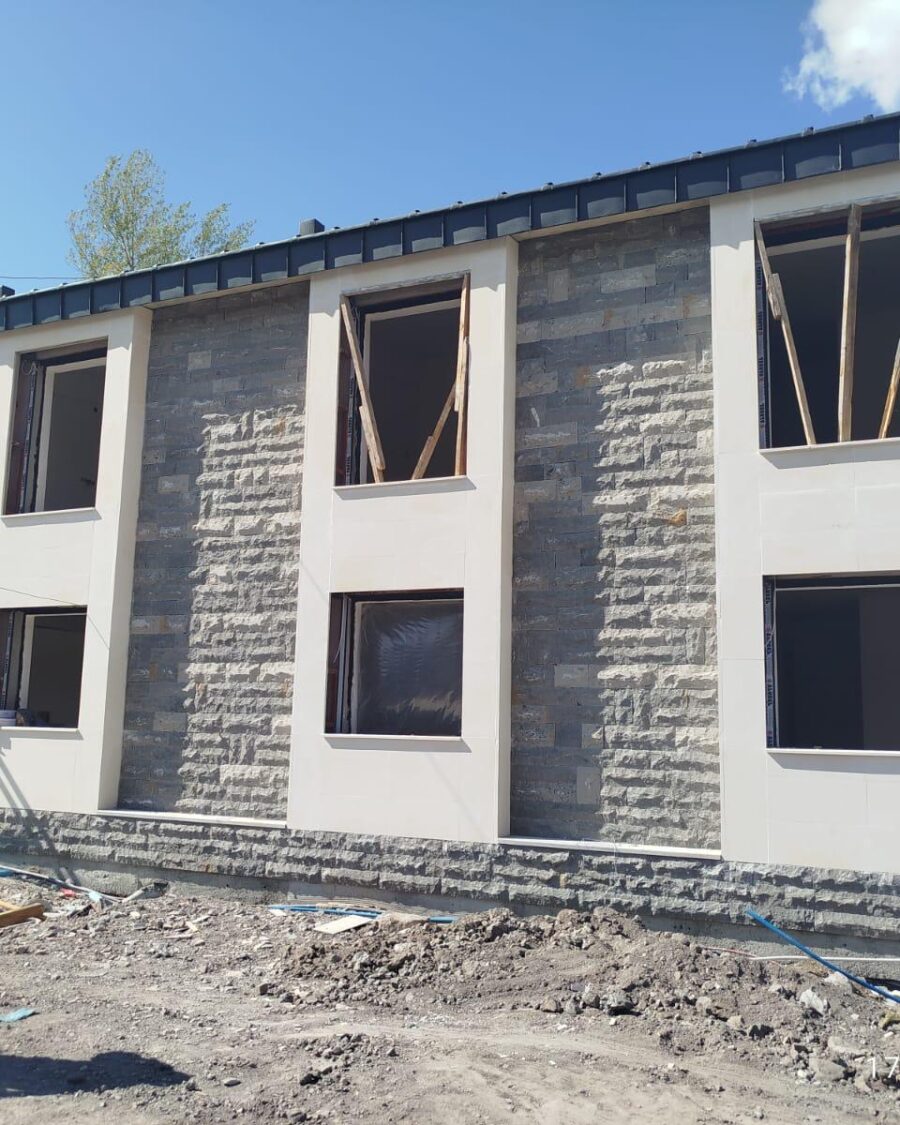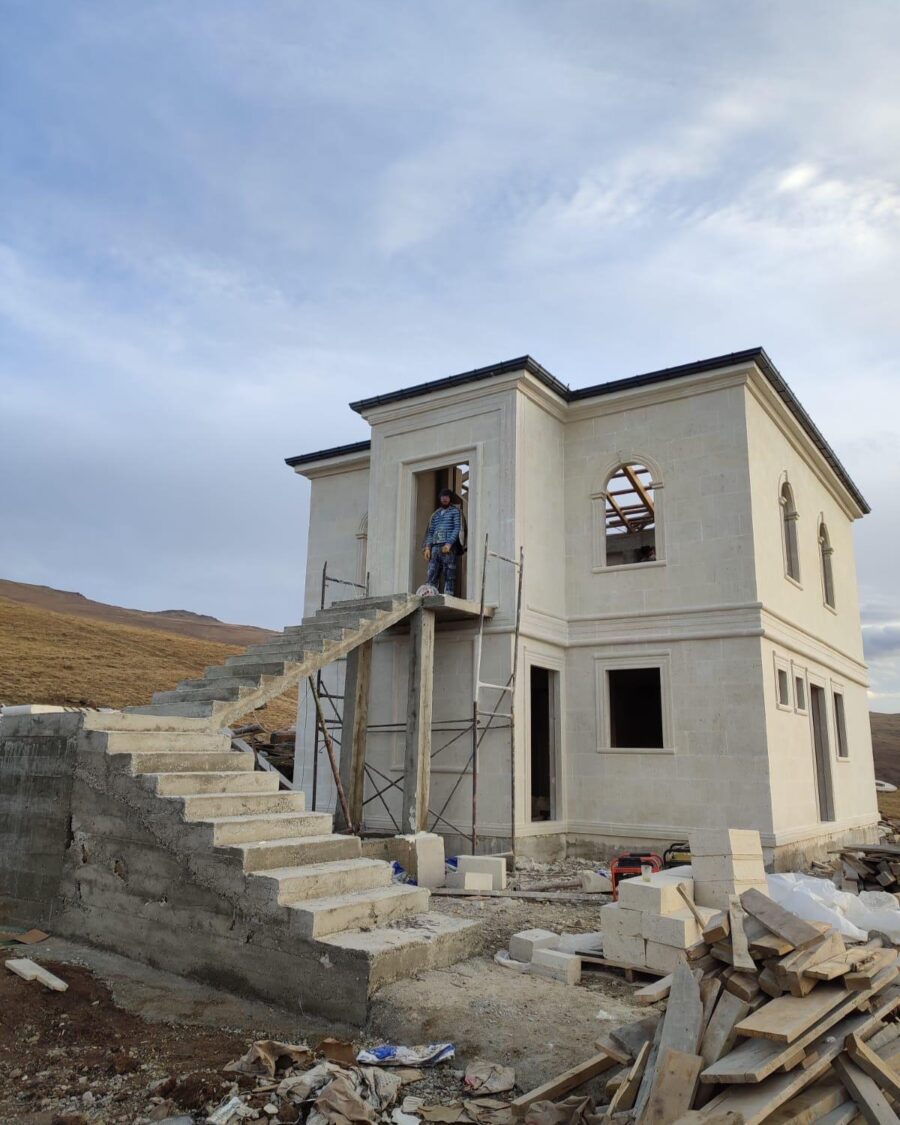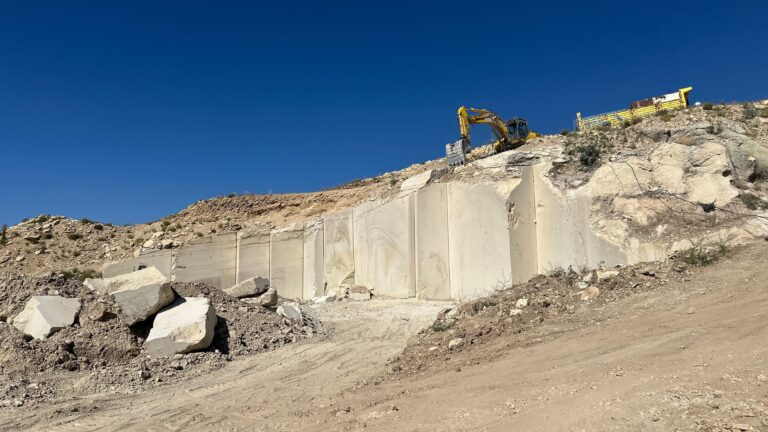
If you want to import natural stone from Turkey for the first time, the process can feel unfamiliar — Turkey is one of the world’s largest natural stone exporters, but working directly with a Turkish quarry or producer isn’t something most buyers do every day. This guide walks through how to import natural stone from Turkey step by step, from choosing the right material to getting a container through customs, so you know what to expect before you request your first quote.
Short answer: to import natural stone from Turkey, you’ll typically go through selecting a material and finish, requesting samples and a technical datasheet, agreeing on an Incoterm and price, quality-checking production, arranging packing and container loading, and clearing customs at the destination port. The steps below cover each stage in order.
Quick Checklist Before You Import Natural Stone from Turkey
- Have I defined the stone type, finish, and quantity (m² or tons) I need?
- Did I request physical samples before committing to an order?
- Do I understand the Incoterm (EXW, FOB, CIF) quoted to me?
- Have I checked the HS code and import duties that apply in my country?
- Do I know the container type and loading capacity for my order size?
- Has the supplier confirmed lead time and batch/tone consistency in writing?
Step 1: Choose the Stone Type, Finish, and Quantity
Start by defining what you actually need: travertine, tuff, or another stone type; the finish (honed, polished, brushed, tumbled); and the volume, usually measured in square meters for cladding/flooring or tons for blocks. Turkish quarries in regions like Bayburt and Denizli each specialize in particular stone types, so matching your project to the right source region narrows the search quickly. If tuff is on your shortlist, our deeper look at its thermal performance for facade use is worth reading before you spec it. You can browse material options and finishes on our stone catalog.
Step 2: Request Samples and a Technical Datasheet
Never place a full order based on photos alone. A reliable exporter will send physical samples and a technical datasheet covering water absorption, density, and compressive strength. This step also reveals how responsive and organized a supplier is before you commit any money — a useful early signal for the rest of the relationship.
Step 3: Get a Quote and Understand the Incoterm
Quotes from Turkish suppliers are usually given as EXW (Ex Works), FOB (Free on Board), or CIF (Cost, Insurance, and Freight). Each shifts responsibility and cost at a different point in the journey — the ICC’s official Incoterms rules are the authoritative reference if you want to compare them in detail. As a rule of thumb: EXW gives you the most control over freight but the most logistics to arrange yourself; CIF is the simplest for a first-time buyer since the supplier handles shipping and insurance to your port.
Step 4: Production and Quality Control
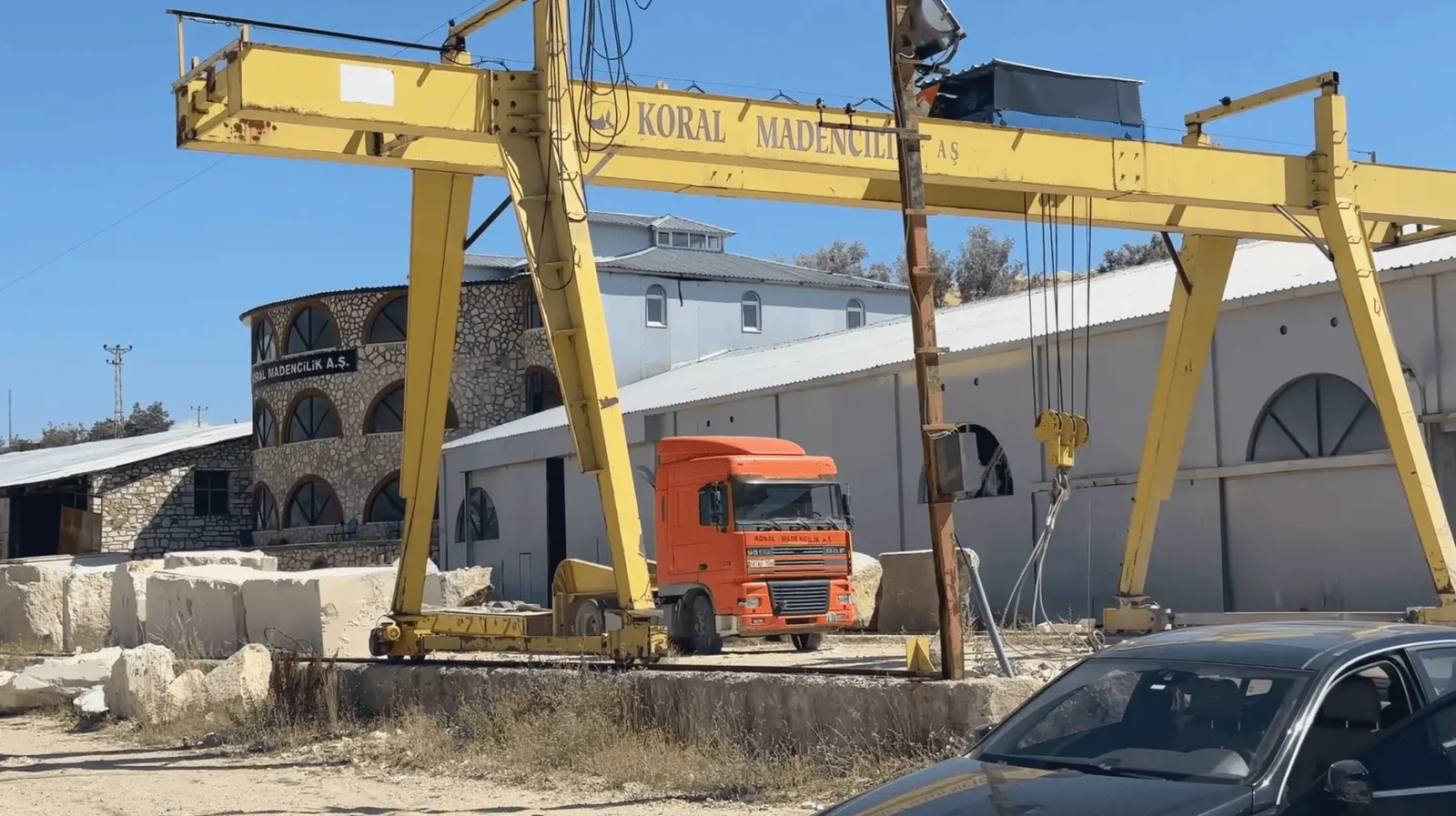
Once the order is confirmed, the stone is cut and finished to your specification. Ask for production photos or a video call during cutting, especially on large orders — this lets you catch tone or finish inconsistencies before the material is packed, when correcting a batch is still cheap and fast.
Step 5: Packing and Container Loading
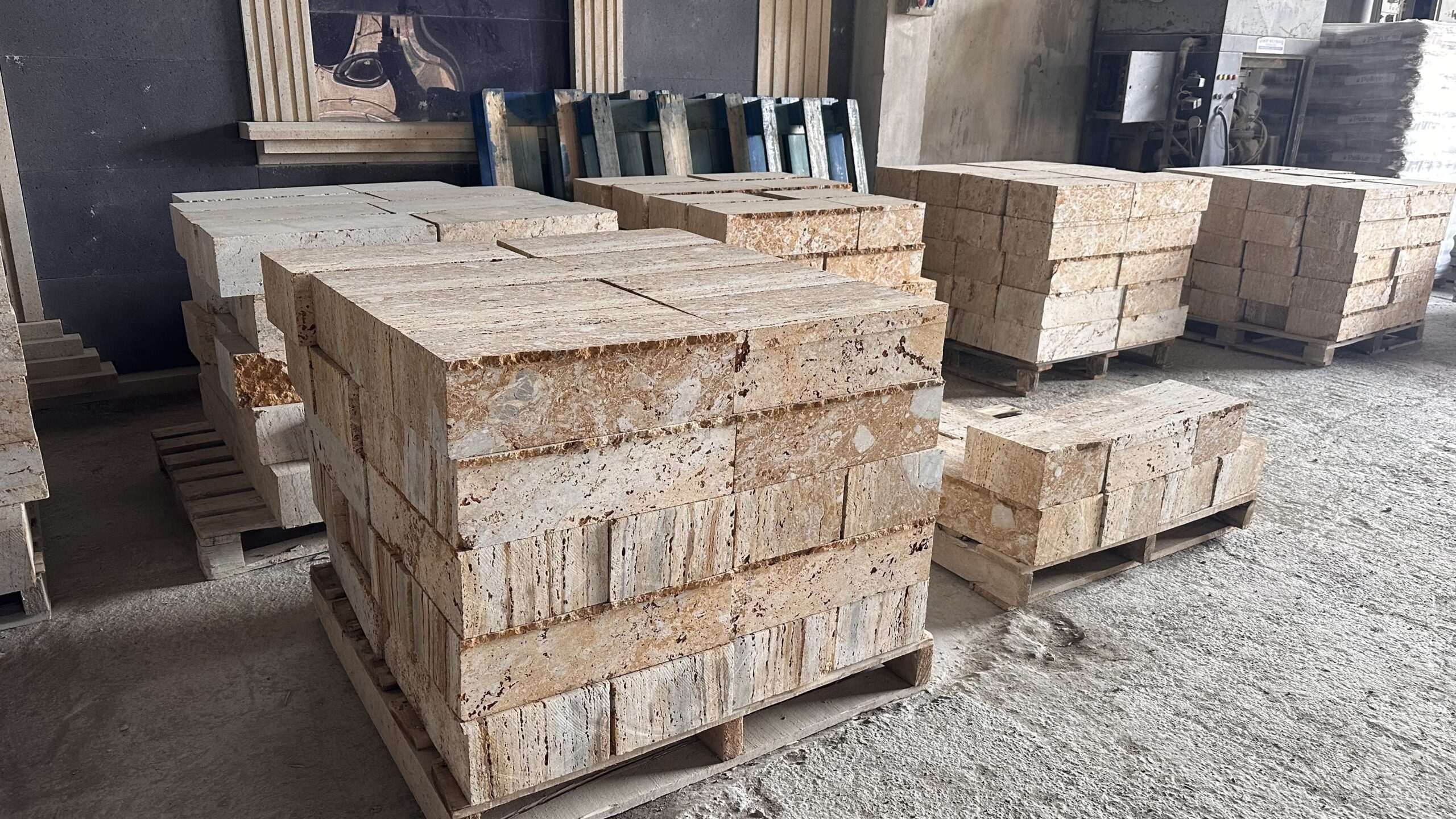
Finished stone is usually packed on wooden pallets or in crates, secured with strapping and edge protectors to prevent chipping in transit. Loading capacity depends on the stone’s density and the container type:
| Container | Typical Capacity (dense stone, e.g. travertine) |
|---|---|
| 20ft standard | ~18-22 tons |
| 40ft standard | ~24-26 tons (volume-limited, not weight-limited) |
| Flat rack (oversized blocks) | Varies by block dimensions |
Step 6: Customs, HS Codes, and Documentation
Natural stone is typically classified under HS heading 2515 (marble, travertine, and similar calcareous stone) or 6802 (worked monumental or building stone), but the exact code and duty rate depend on your country’s tariff schedule — check it against your customs authority or a tool like the U.S. Harmonized Tariff resource (or your local equivalent) before finalizing your budget. Your supplier should provide a commercial invoice, packing list, and certificate of origin; a bill of lading is issued once the container is loaded.
Step 7: Shipping and Final Delivery
Sea freight from Turkish ports (commonly Mersin, Izmir, or Samsun depending on the quarry region) typically takes 1-4 weeks to reach European ports and longer for the US, Gulf, or Asia. Track the shipment against your bill of lading and inspect the container on arrival before signing off, so any transit damage is documented immediately rather than discovered later.
You can see where our own material is quarried on the quarries page, or get in touch directly through our contact page to request samples and a quote.
Frequently Asked Questions
What is the minimum order quantity when you import natural stone from Turkey?
This varies by supplier, but many Turkish exporters can fill a single 20ft or 40ft container as a minimum for a cost-effective shipment. Smaller sample orders are usually possible but carry a higher per-unit shipping cost.
Is EXW or FOB better for a first-time importer?
FOB is usually easier for a first-time buyer than EXW, since the supplier handles export customs and loading at the Turkish port; you only need to arrange the ocean freight and import side.
How do I make sure the stone I receive matches the sample?
Request that your full order is cut from the same batch as your approved sample, and ask for production photos before packing. Reputable suppliers will confirm batch consistency in writing.
Summary: How to Import Natural Stone from Turkey
To import natural stone from Turkey is a manageable process once you know the sequence: define your material, verify it with samples, agree on terms you understand, keep an eye on quality during production, plan for packing and container capacity, and prepare your customs paperwork in advance. Getting each step right the first time is far cheaper than correcting a mismatched or damaged shipment after it arrives.